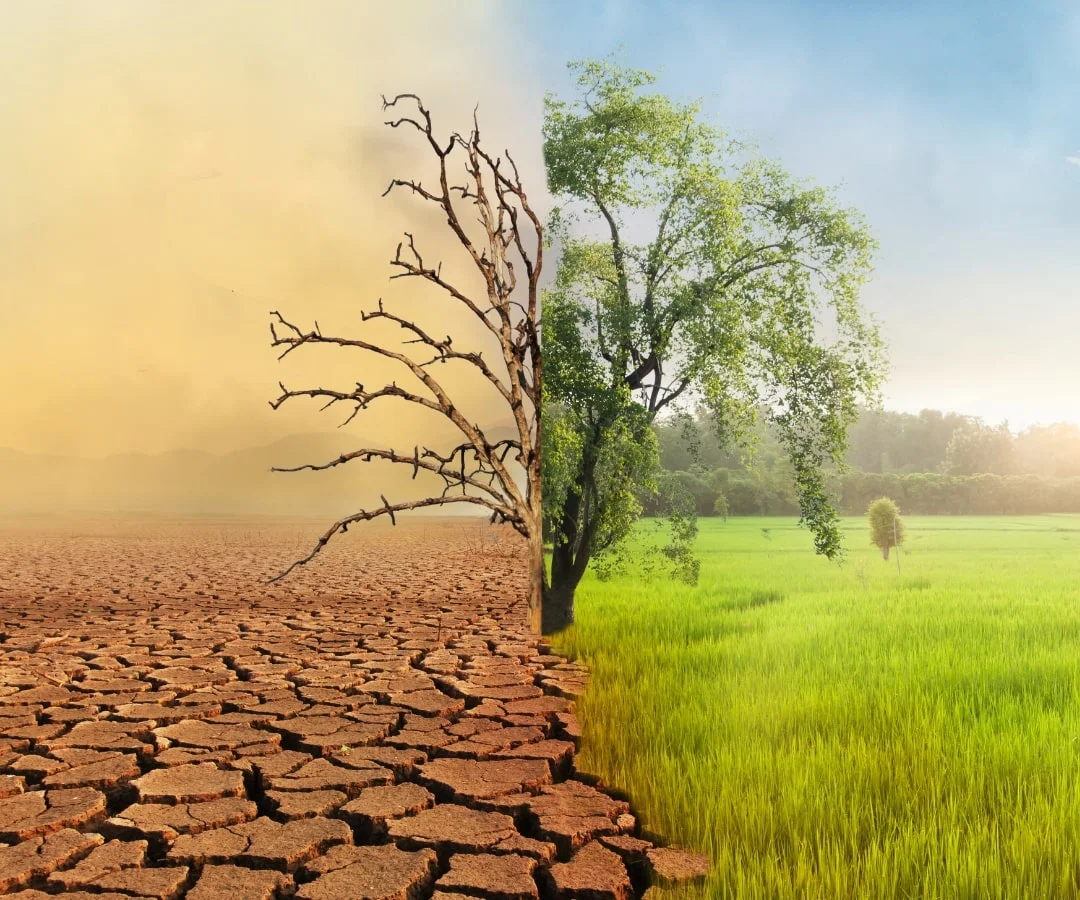
The global average temperature has risen by about 1.2°C since the late 19th century. Atmospheric carbon dioxide levels are at their highest in 800,000 years, primarily due to human activities such as burning fossil fuels and deforestation.
Sea levels have risen by about 8 inches (20 cm) in the last century, and the rate of increase is accelerating.
Biodiversity
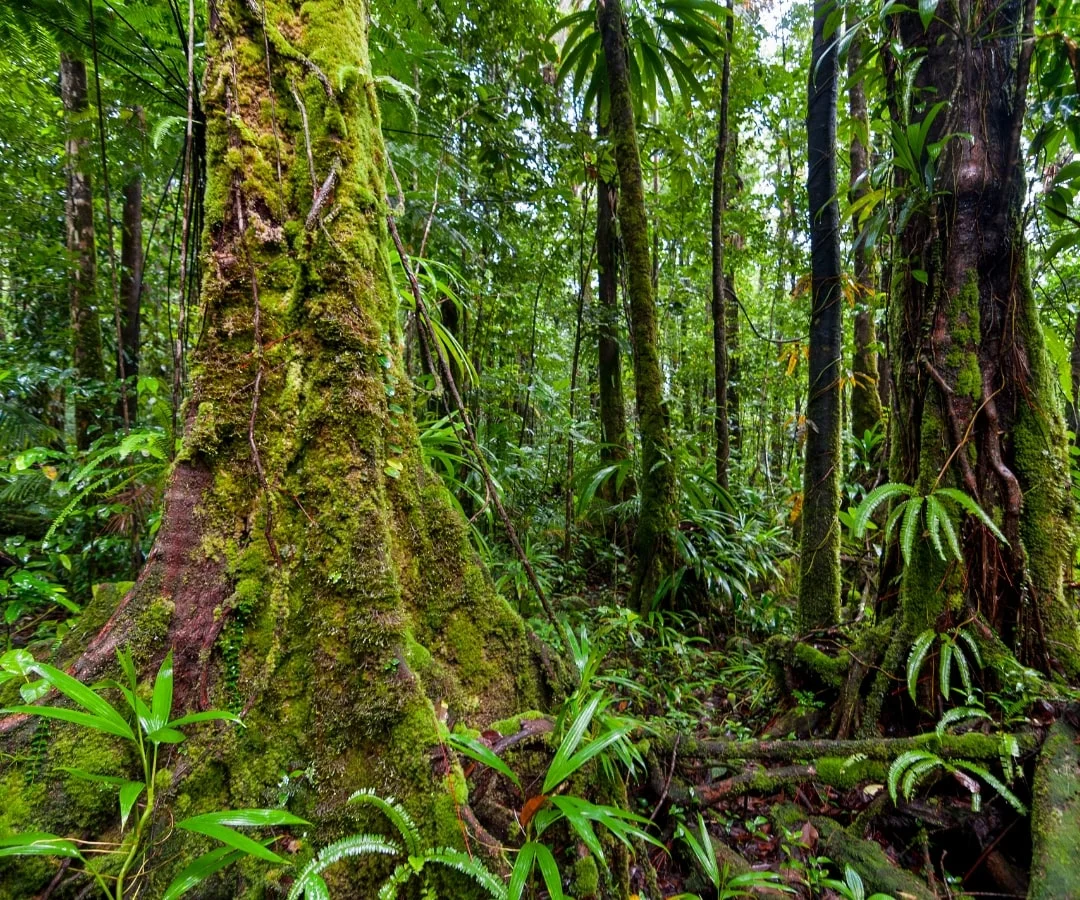
The current rate of species extinction is estimated to be 1,000 times higher than the natural background rate, primarily due to habitat destruction, pollution, invasive species, and climate change.
Approximately 31% of global fish stocks are either overfished or fished at their biological limit, threatening marine ecosystems and livelihoods dependent on fishing.
Deforestation
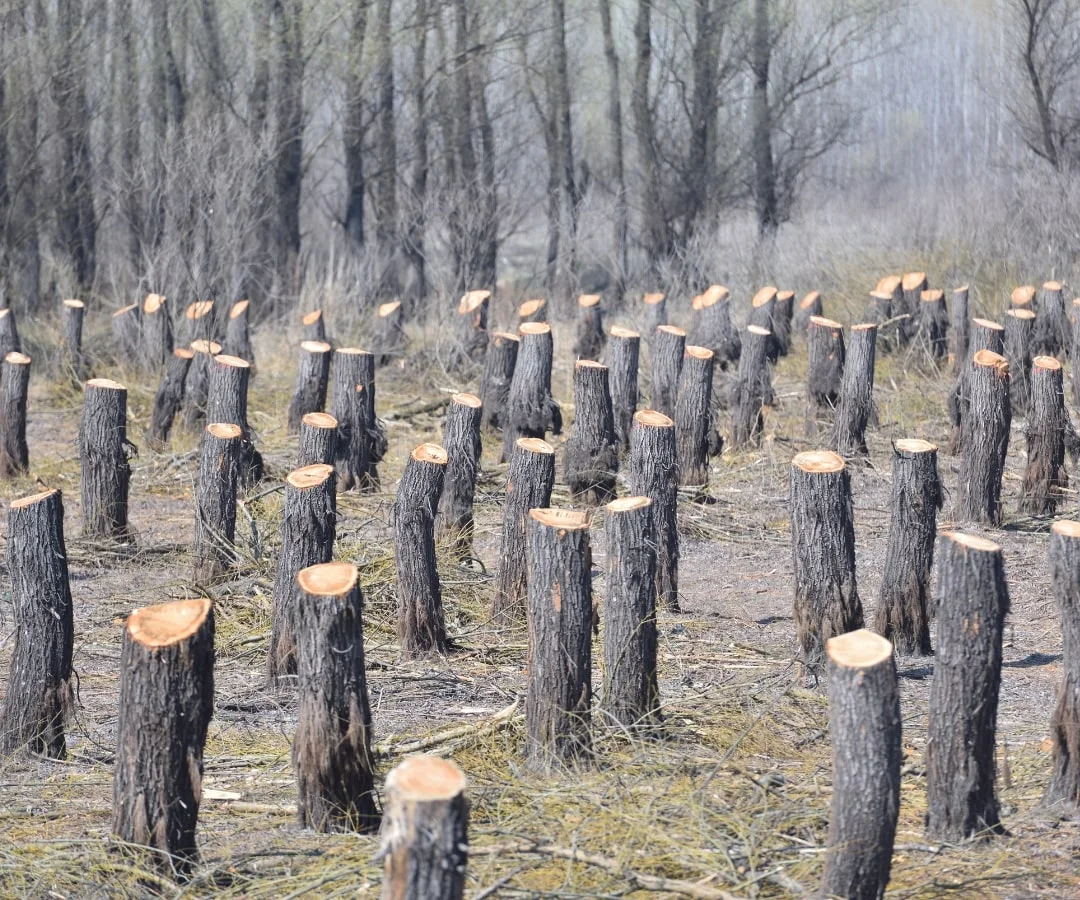
The world’s forests are disappearing at a rate of about 18 million acres (7.3 million hectares) per year, equivalent to losing 27 soccer fields every minute. Deforestation accounts for approximately 11% of global greenhouse gas emissions, making it a significant contributor to climate change.
Pollution
An estimated 8 million metric tons of plastic waste enter the world’s oceans every year, endangering marine life and ecosystems.
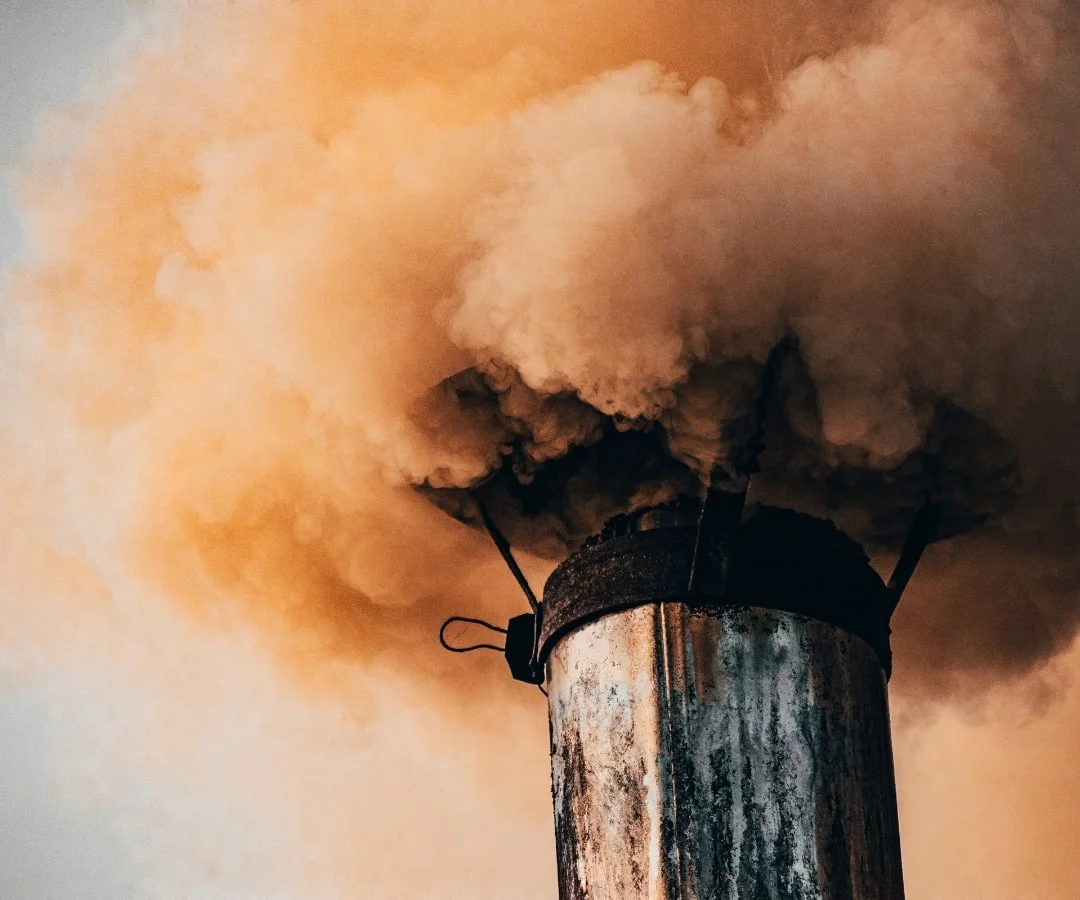
Air pollution is responsible for an estimated 7 million premature deaths worldwide each year, primarily due to respiratory and cardiovascular diseases.
Renewable Energy
Renewable energy sources such as solar and wind power are becoming increasingly competitive with fossil fuels. In 2020, renewable energy accounted for nearly 90% of the new electricity capacity added globally.
Investments in renewable energy have been steadily increasing, reaching a record high of $303.5 billion in 2020, despite the challenges posed by the COVID-19 pandemic.
Water Scarcity
More than 2 billion people worldwide lack access to safely managed drinking water services, exacerbating health risks and perpetuating cycles of poverty. By 2050, global water demand is projected to increase by 20-30%, driven primarily by population growth, urbanization, and changing consumption patterns.
These environmental facts underscore the urgent need for concerted global action to address pressing challenges such as climate change, biodiversity loss, deforestation, pollution, and water scarcity. Collaboration between governments, businesses, civil society, and individuals is essential to safeguarding the planet for current and future generations.