Ecological Facts

Biodiversity

Earth is home to an estimated 8.7 million species, though only about 1.2 million have been identified and described by scientists.

Biodiversity supports ecosystem resilience, providing essential ecosystem services such as pollination, nutrient cycling, and pest control.

Ecosystem Services

Ecosystem services provided by nature, including clean air and water, fertile soil, and climate regulation, are estimated to be worth trillions of dollars annually.

Wetlands, forests, and coral reefs are among the most productive ecosystems, providing critical habitat for numerous species and supporting diverse livelihoods.

Climate Change

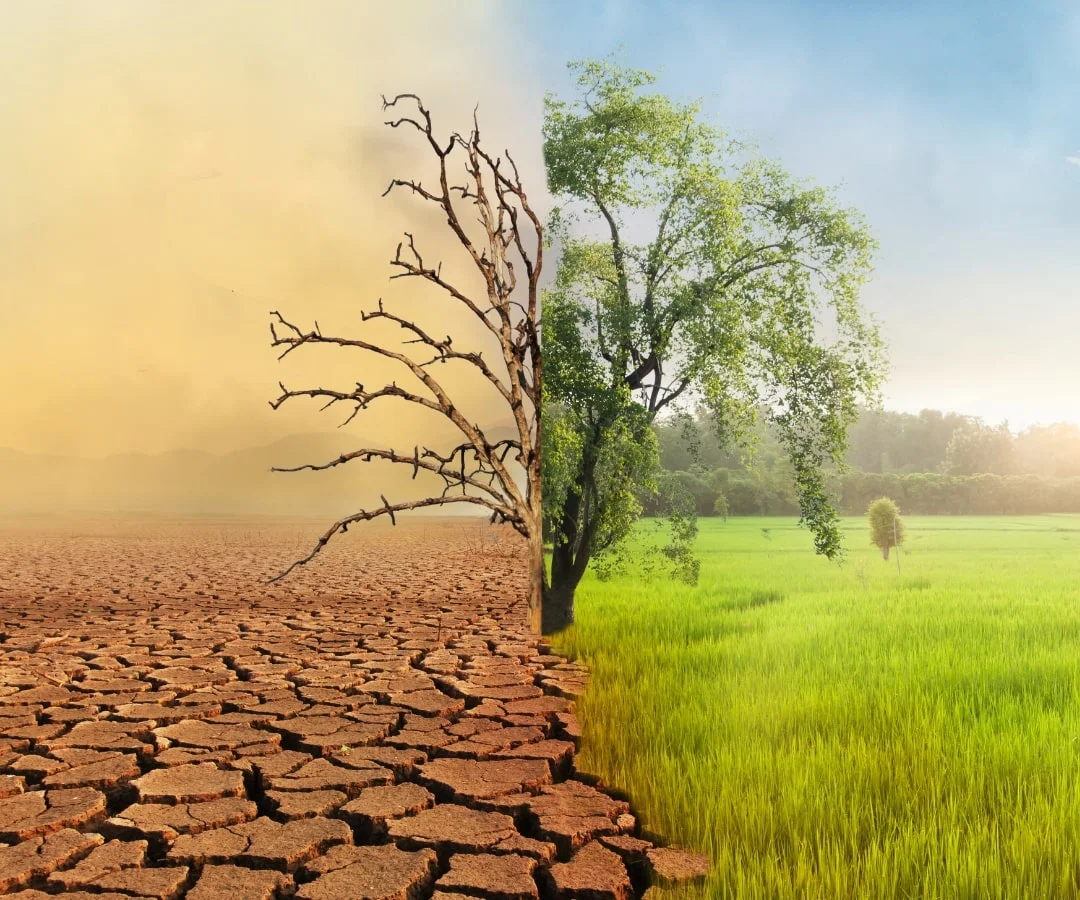
Human activities, primarily the burning of fossil fuels and deforestation, have led to a rapid increase in greenhouse gas concentrations in the atmosphere, resulting in global warming and climate change. Climate change is exacerbating extreme weather events such as hurricanes, heatwaves, droughts, and floods, threatening ecosystems, economies, and human well-being.


Deforestation
Forests cover approximately 31% of the Earth’s land area, but they are disappearing at a rate of about 10 million hectares (25 million acres) per year, primarily due to agriculture, logging, and urbanization.

Deforestation contributes to habitat loss, biodiversity decline, soil erosion, and carbon emissions, exacerbating climate change and disrupting ecosystems.

Ocean Health

Oceans cover more than 70% of the Earth’s surface and are home to an estimated 80% of all life on the planet. Overfishing, pollution, habitat destruction, and climate change are threatening ocean health, leading to declines in fish stocks, coral reefs, and marine biodiversity.

Plastic Pollution:
Approximately 8 million metric tons of plastic waste enter the world’s oceans every year, harming marine life and ecosystems. Plastic pollution has been found in remote oceanic regions, including the Arctic and Antarctic, highlighting the pervasive nature of the problem.

Water Scarcity

Despite being abundant, freshwater resources are unevenly distributed around the world, with many regions facing water scarcity due to pollution, over-extraction, and climate change. Nearly 2.2 billion people lack access to safely managed drinking water services, posing significant health risks and perpetuating cycles of poverty.
These ecological facts underscore the importance of conservation efforts and sustainable practices to protect Earth’s ecosystems, biodiversity, and natural resources for present and future generations. By recognizing the interconnectedness of all life forms and ecosystems, we can work together to address environmental challenges and build a more resilient and sustainable planet.