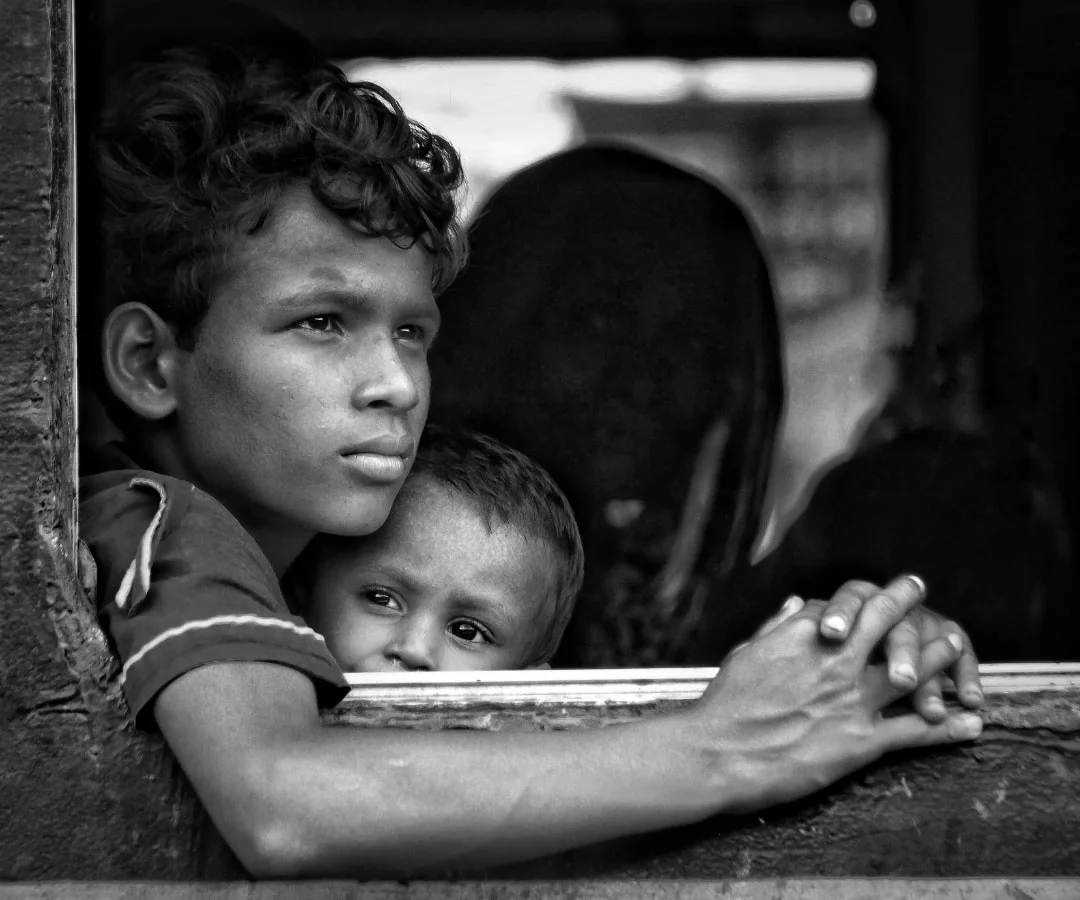
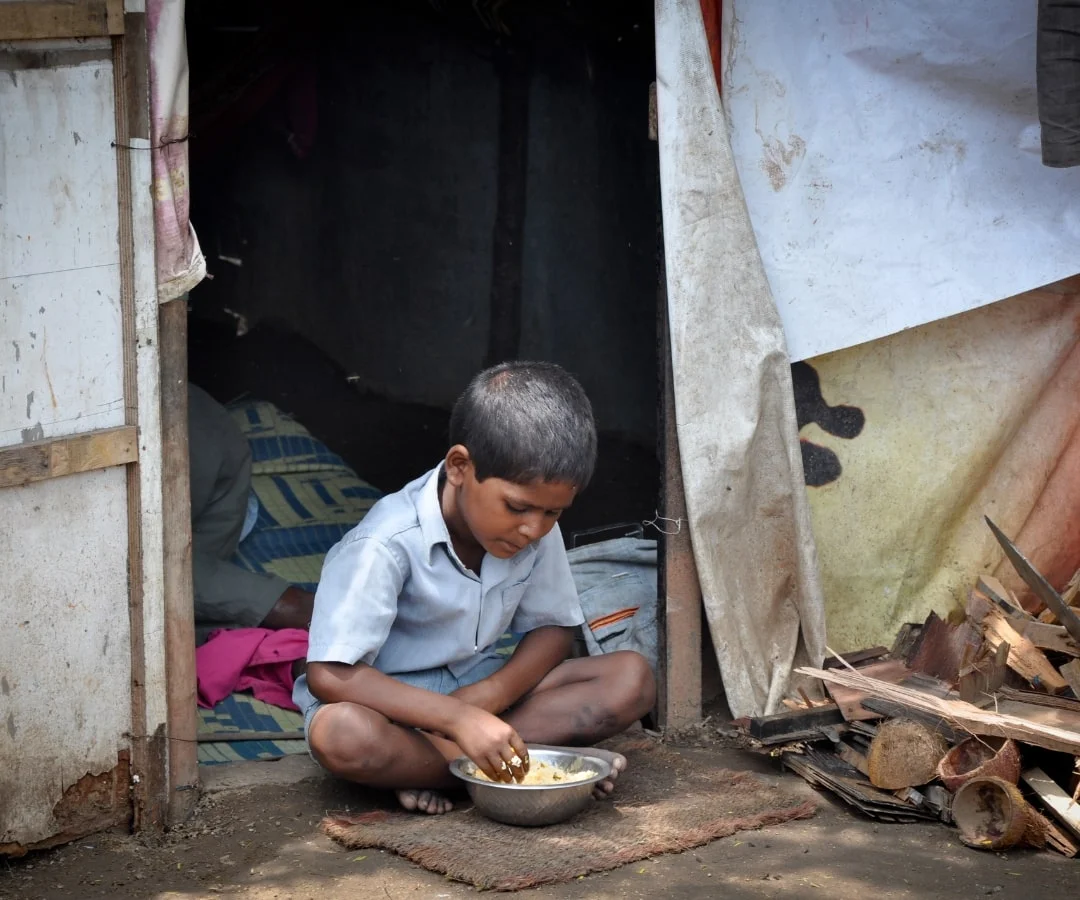
Approximately 9% of the world’s population, or around 689 million people, live in extreme poverty, defined as living on less than $1.90 per day. Poverty disproportionately affects women and children, with nearly 10% of the world’s children living in extreme poverty.
Hunger and Malnutrition
Despite progress, hunger remains a significant global challenge, with an estimated 9% of the world’s population, or around 690 million people, experiencing chronic undernourishment.
Malnutrition, including both undernutrition and obesity, affects nearly 2 billion people worldwide, contributing to a range of health problems and economic burdens.
Healthcare
Access to healthcare remains a critical issue for many people worldwide, with approximately half of the world’s population lacking access to essential health services.
Infectious diseases such as HIV/AIDS, malaria, and tuberculosis continue to pose significant health threats, particularly in low- and middle-income countries.
Education
Despite progress in increasing access to education, approximately 258 million children and youth worldwide are still out of school, with girls disproportionately affected.
Lack of access to quality education perpetuates cycles of poverty and inequality, hindering economic and social development.
Refugees & Displacement
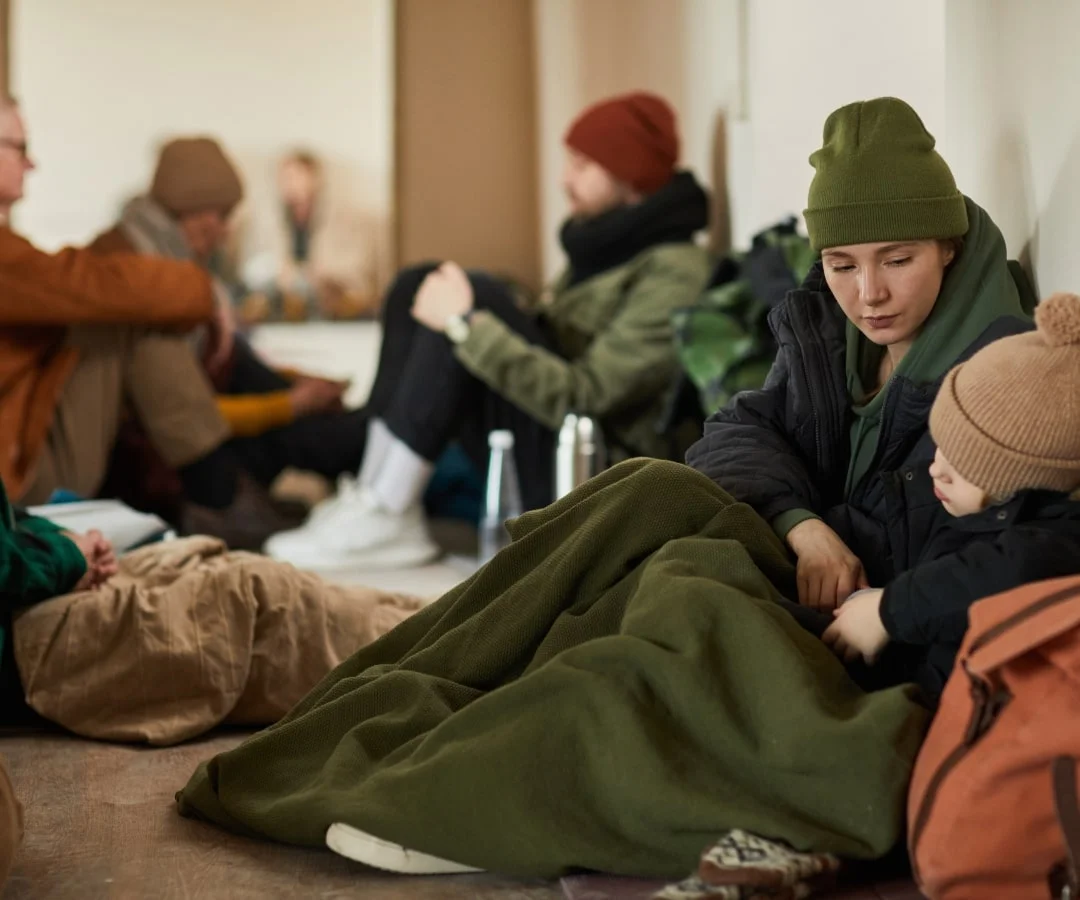
There are currently more than 82 million forcibly displaced people worldwide, including refugees, asylum seekers, and internally displaced persons (IDPs), fleeing conflict, persecution, and human rights abuses.
The majority of refugees and displaced persons are hosted by low- and middle-income countries, placing significant strain on resources and infrastructure.
Gender Inequality
Gender inequality persists in many aspects of life, including education, employment, healthcare, and decision-making. Globally, women earn approximately 77 cents for every dollar earned by men.
Violence against women and girls remains a pervasive issue, with an estimated 1 in 3 women worldwide experiencing physical or sexual violence in their lifetime.
Natural Disasters & Climate Change
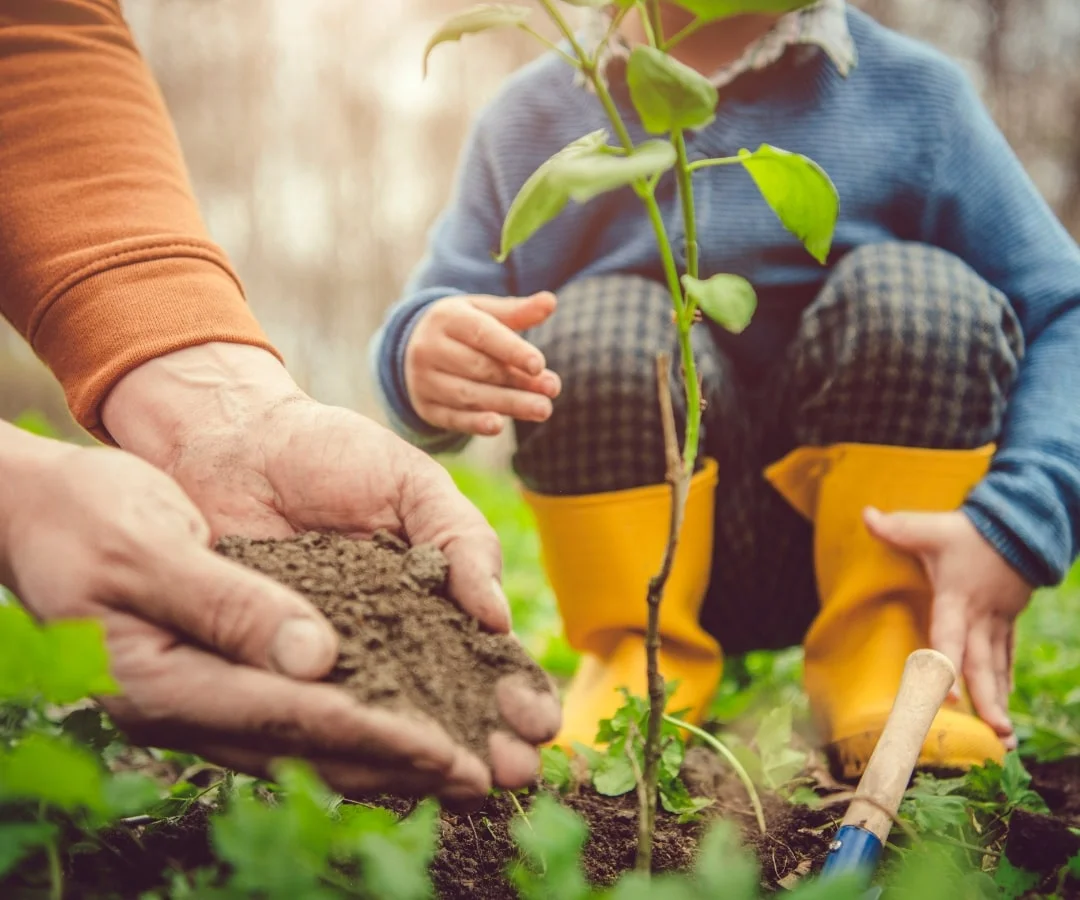
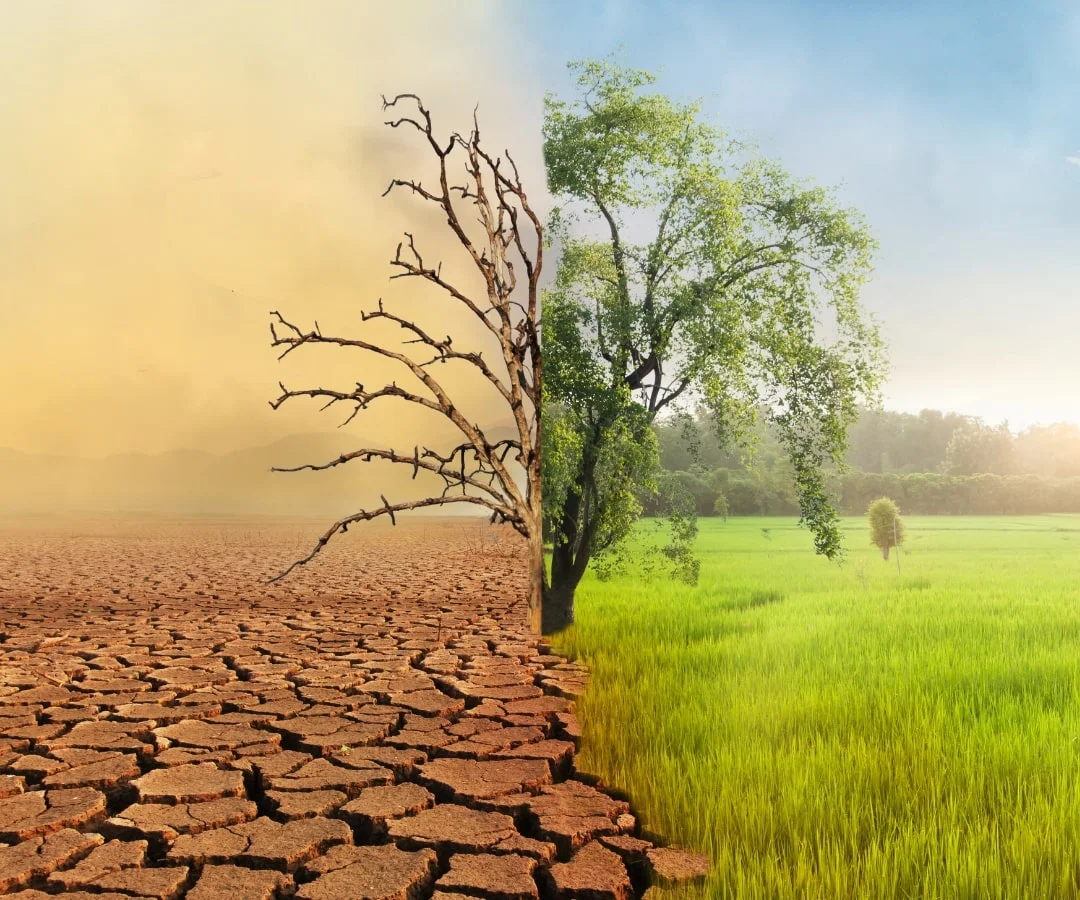
Natural disasters, exacerbated by climate change, disproportionately affect vulnerable populations and exacerbate existing humanitarian crises. Globally, Climate-related disasters have displaced an average of 23 million people annually since 2010, with low- and middle-income countries bearing the brunt of the impacts.
These humanitarian facts underscore the importance of addressing global challenges such as poverty, hunger, healthcare access, education, displacement, gender inequality, and climate change through concerted international efforts and sustainable development initiatives. By working together to tackle these issues, we can create a more equitable and prosperous world for all.