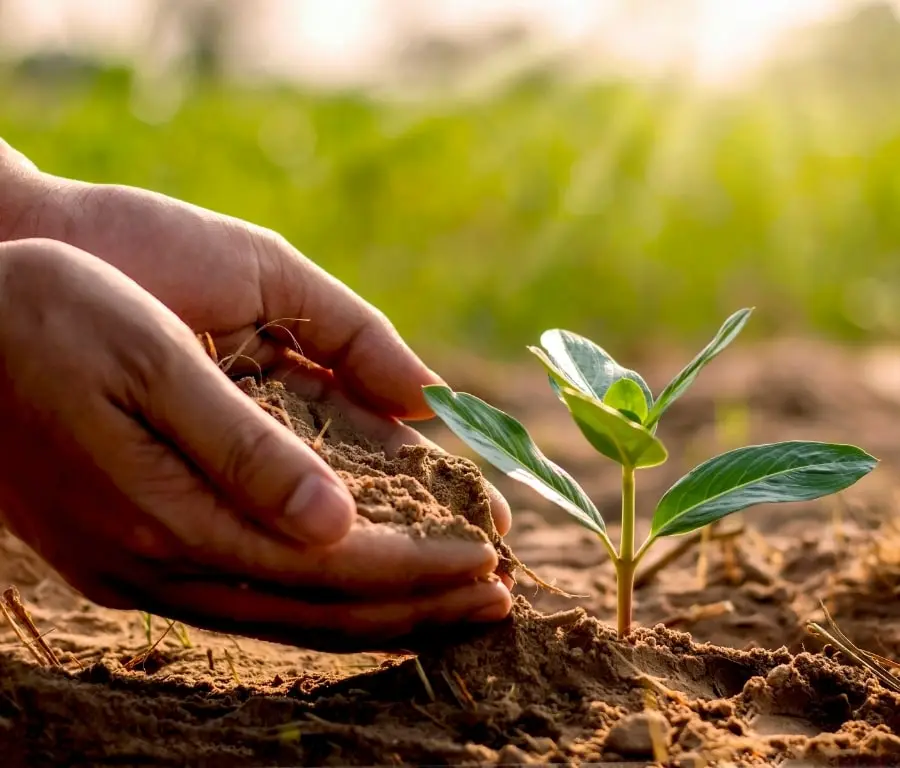
Rebirth of the Rainforest
A Tale of Reforestation
Restoring Habitats for Sustainable Tree Planting
In the heart of the rainforest, where the ancient trees once towered and the vibrant ecosystem thrived, a silent sorrow hung heavy in the air. Decades of exploitation had left scars on the land, leaving behind barren stretches where life once flourished. But amidst the desolation, a beacon of hope emerged—a journey of rainforest reforestation that would breathe new life into the land.
IniGreen initiative was born out of a collective desire to heal the wounds inflicted upon the earth. Scientists, conservationists, and local communities came together, united by a shared vision of restoring the lush green canopy that had been lost to greed and neglect.
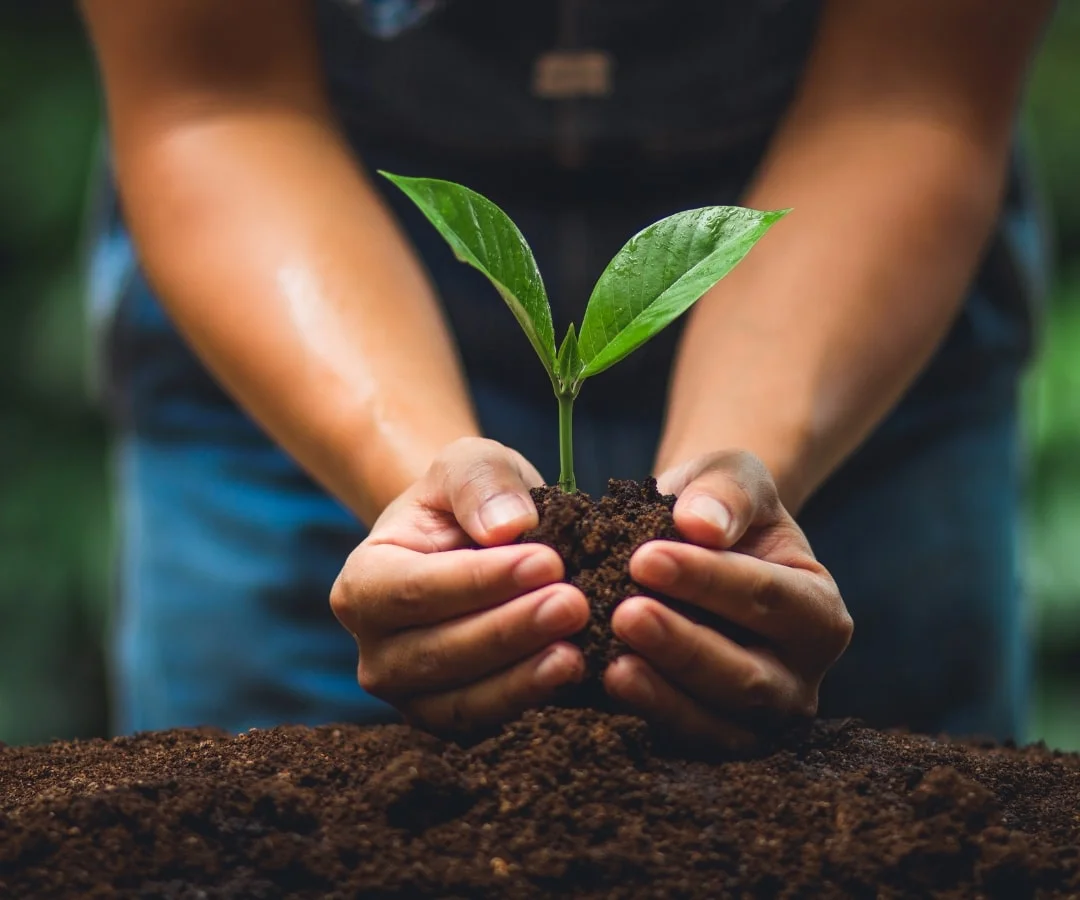
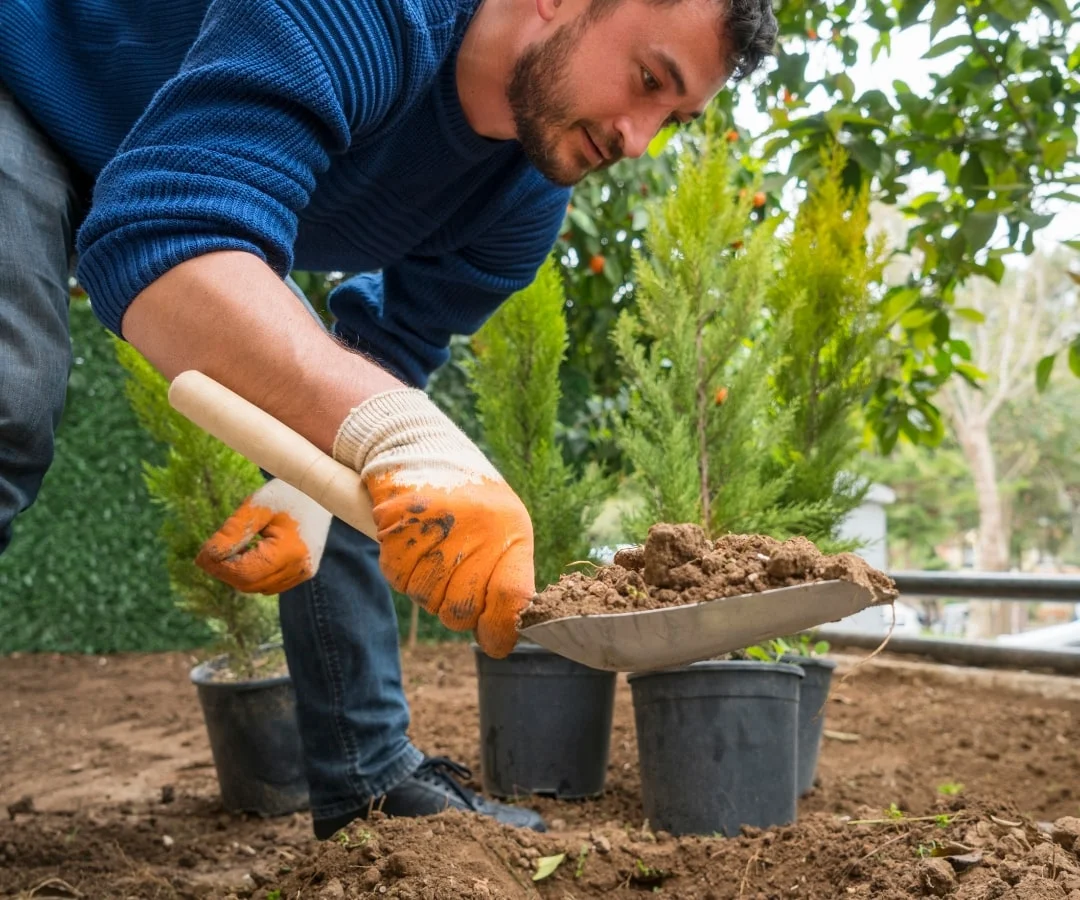
But reforestation went beyond simply planting trees. It was a holistic endeavor that addressed the underlying causes of deforestation. Sustainable land management practices were implemented to prevent erosion and preserve soil fertility. Indigenous knowledge was honored and integrated into conservation efforts, recognizing the deep connection between culture and environment, Thus IndiGreen’s EcoPlus Diversity.
Today, the rainforest stands as a testament to the power of collective action and the resilience of the human spirit. Where once there was despair, there is now hope. The rebirth of the rainforest serves as a reminder that even in the face of adversity, the seeds of change can take root and flourish—a testament to the enduring power of reforestation.
The Imperative of Rainforest Reforestation
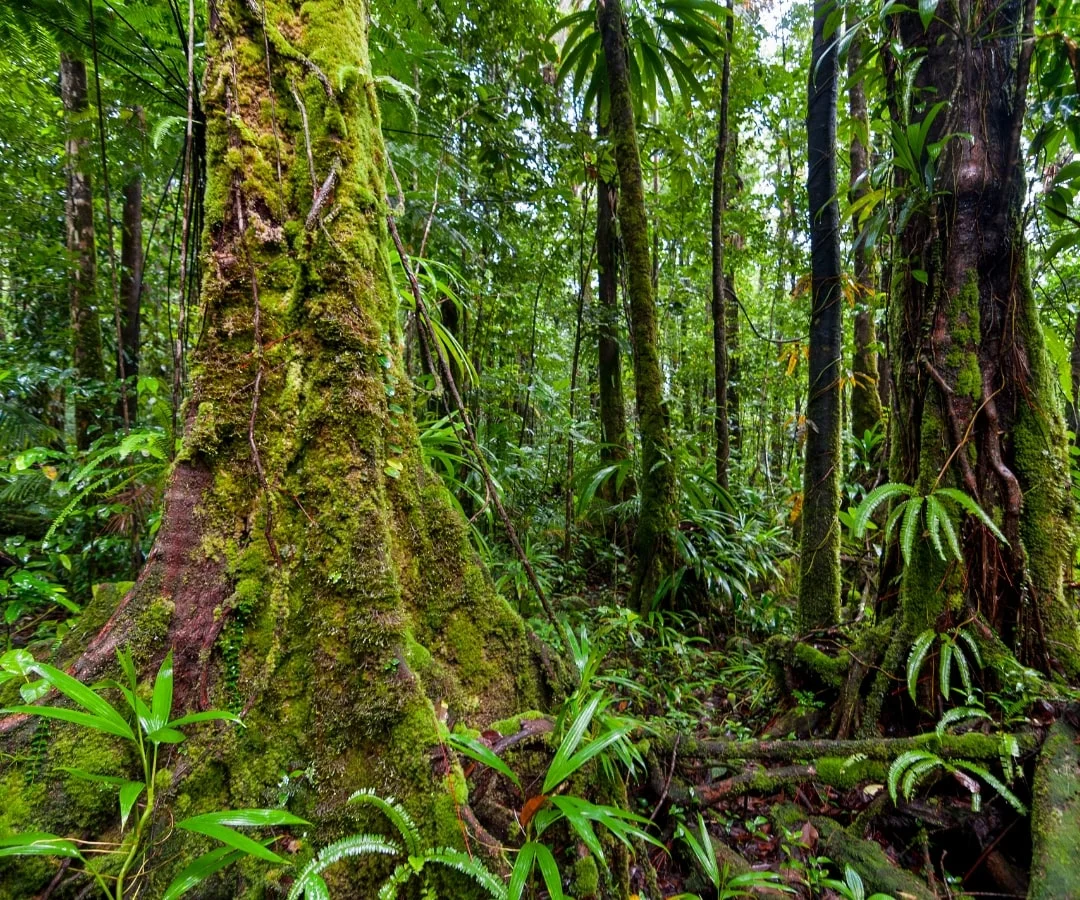
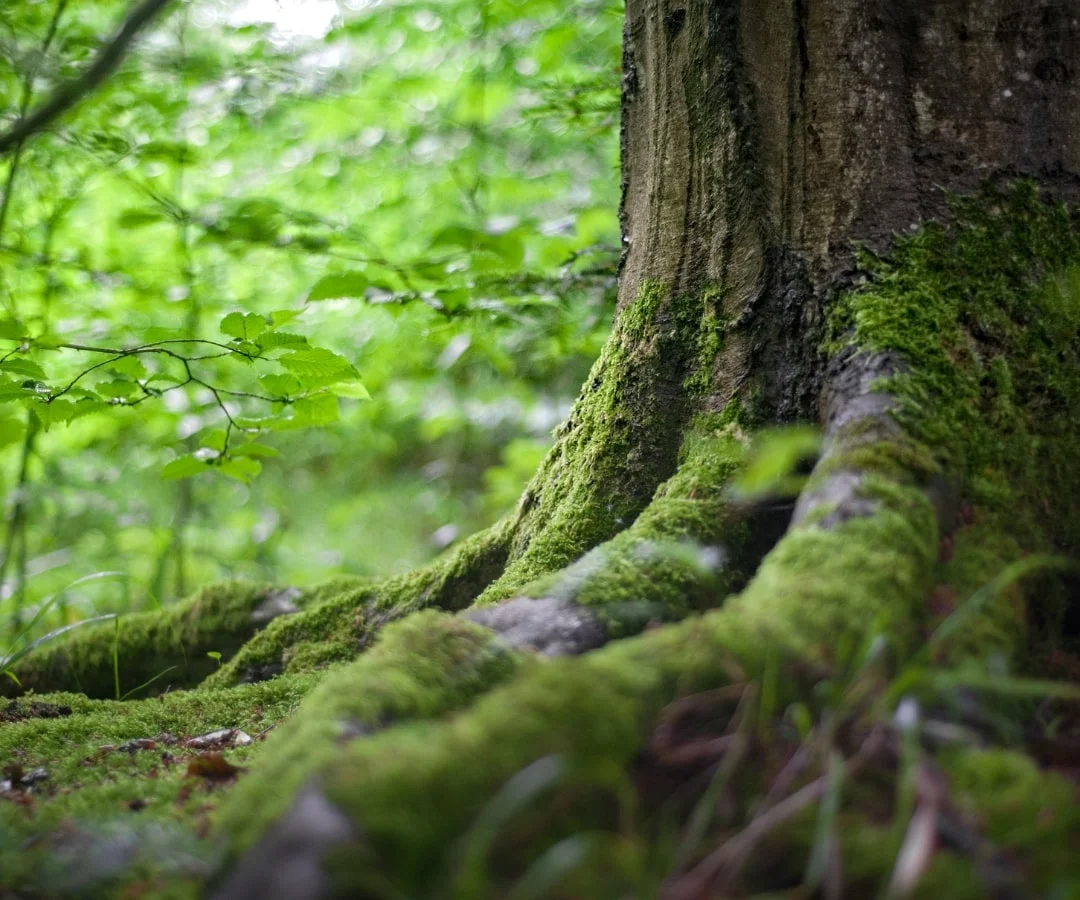
Rainforest reforestation is more than just a matter of planting trees—it encompasses a holistic approach that addresses the complex interplay of ecological, social, and economic factors. At its core lies the recognition that restoring a forest requires more than simply replacing lost trees; it demands the restoration of entire ecosystems and the nurturing of biodiversity.
However, effective rainforest reforestation goes beyond ecological considerations. It must also take into account the needs and aspirations of local communities who rely on these forests for their livelihoods. In many cases, indigenous peoples have been stewards of these lands for generations, possessing invaluable knowledge about sustainable land management practices. By engaging and empowering these communities in reforestation efforts, initiatives can leverage their expertise and ensure the long-term success and sustainability of restoration projects.